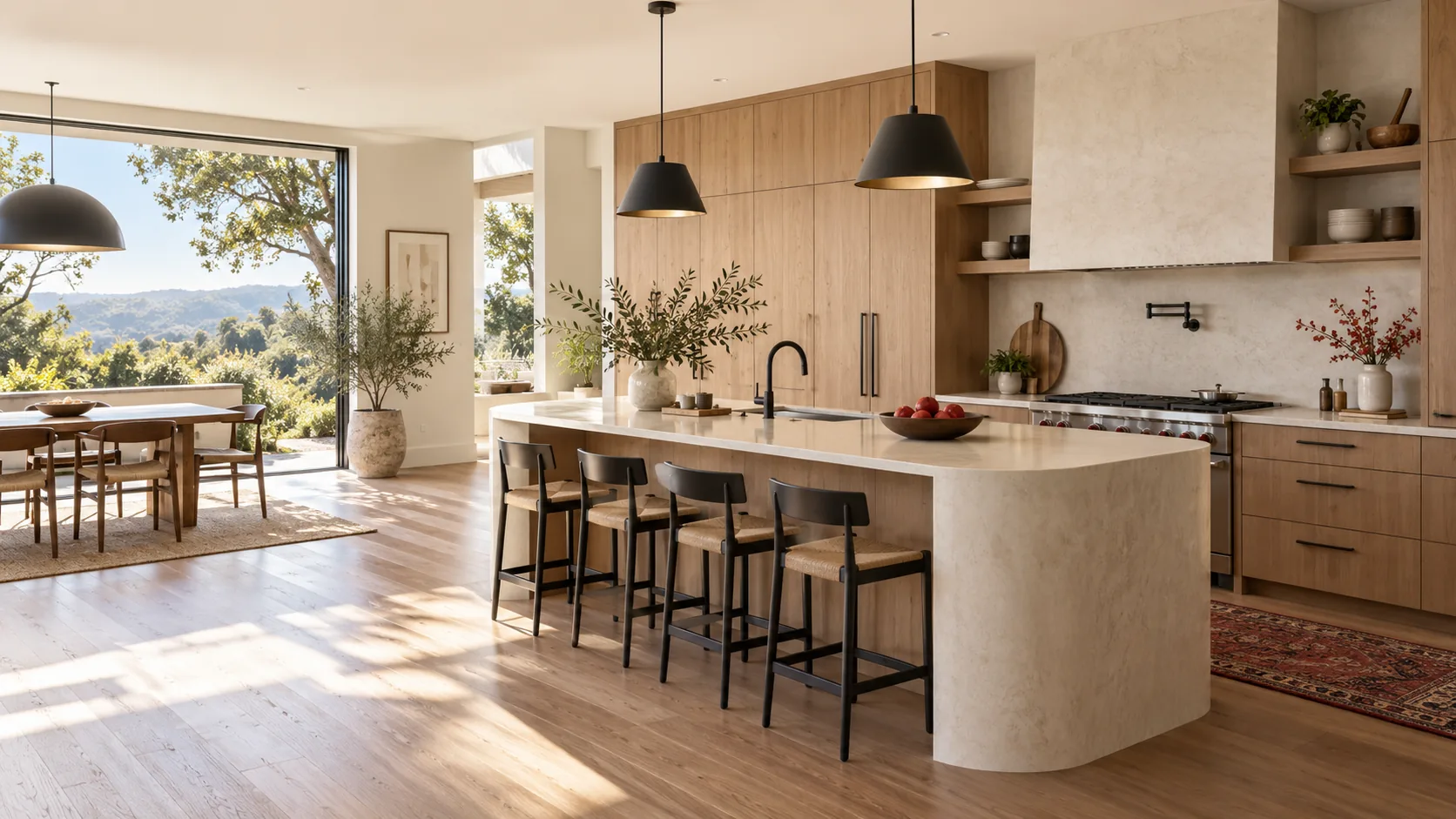
A useful kitchen brief explains how you live before it describes what you want to buy. Start with the moments that feel difficult, then connect each one to a practical goal.
Describe a normal day
Think about breakfast, preparing dinner and clearing up. Who uses the kitchen at the same time? Where do bags, groceries and small appliances collect? Write down a few specific examples. “Two people cannot comfortably prepare food together” gives your project team more to discuss than “the layout is bad.”
Keep what already works
Make a second list of things you enjoy: daylight at the table, a drawer that holds all your utensils or a useful connection to the garden. A remodel does not need to erase the parts of the room that support your routine.
Sort priorities from preferences
Separate must-haves, nice-to-haves and ideas you are still exploring. You might need accessible everyday storage but be open to different cabinet styles. This helps everyone understand which decisions deserve the most attention.
Make reference images useful
Collect a small selection of images and annotate each one. Explain whether you like the color, the storage, the lighting or the overall feeling. Include examples you dislike too, with a short explanation. Images are conversation starters, not a complete specification.
Prepare for the consultation
Bring your priorities, a rough timeline and questions about living arrangements while work takes place. Discuss how the scope will be recorded, what information is still needed and who will follow up. A consultation is the start of a project-specific conversation, not a promise that every idea is feasible.
Your one-page checklist
- Three everyday frustrations
- Three things worth keeping
- Must-haves and flexible preferences
- Reference images with notes
- Questions about scope and communication
Ready to begin? Share this brief with HOME ACE through the project finder.